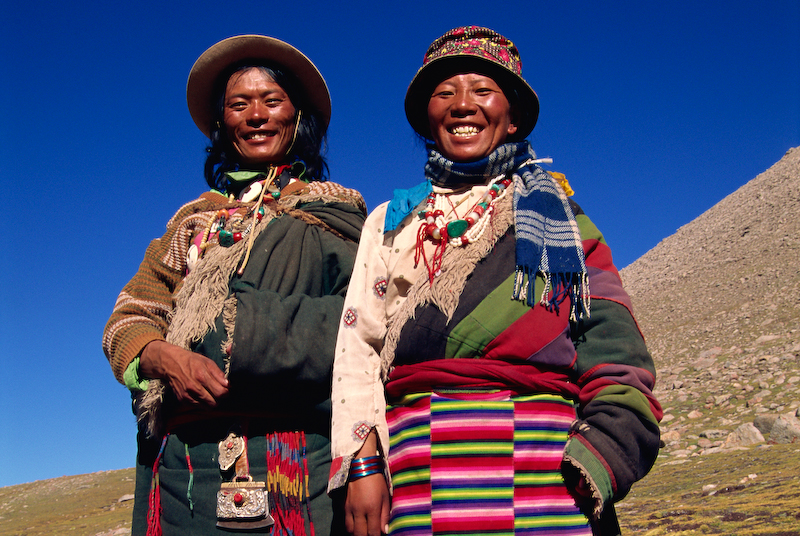
Every time we smile,
all the generations of our ancestors,
our children, and the generations to come —
all of whom are within us — smile too. We practice
not just for ourselves, but for everyone,
and the stream of life
continues.
Every time we smile,
all the generations of our ancestors,
our children, and the generations to come —
all of whom are within us — smile too. We practice
not just for ourselves, but for everyone,
and the stream of life
continues.
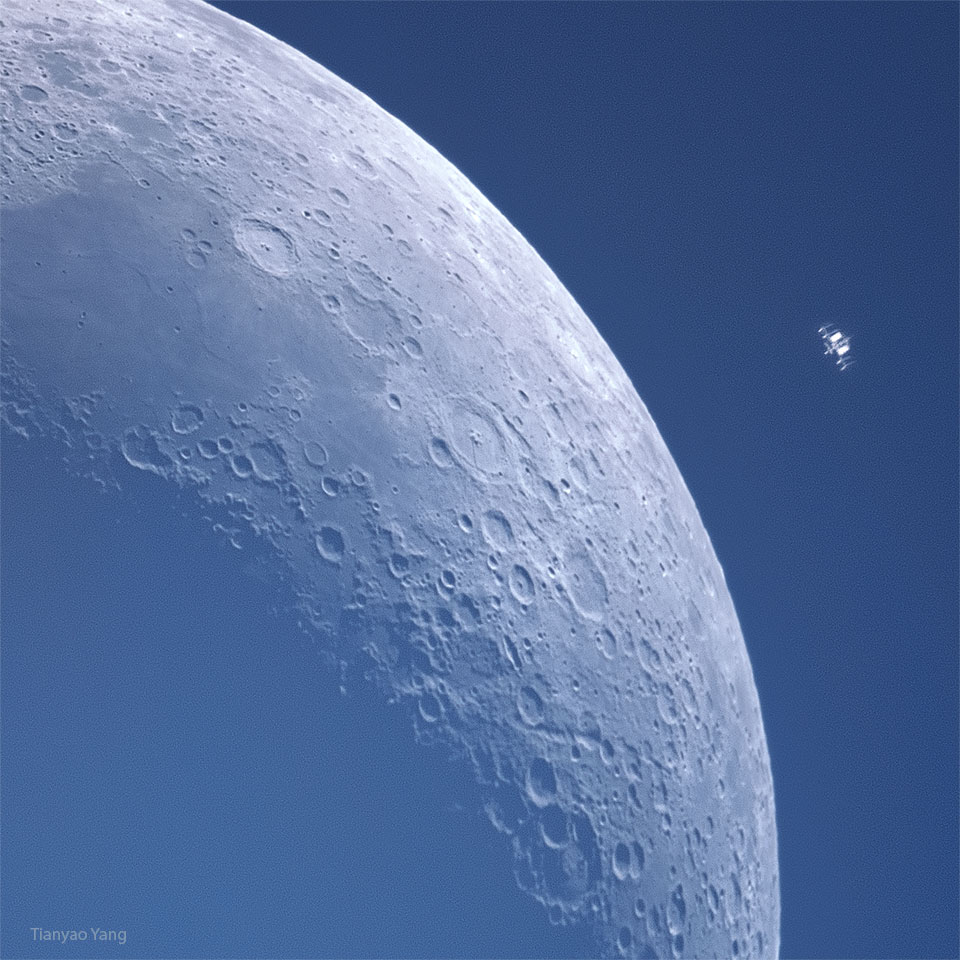
Work toward
emptiness and openness.
Cultivate stillness. Breathe harmony.
Become tranquility. As the ten thousand
things rise and fall, rise and fall,
just witness their return
to the root.
Everything
that flourishes dissolves
again into the source. To dissolve
back into the source is to find peace.
To find peace is to recover your true nature.
To recover your true nature is to know
the constancy of tao. To know
the constancy of tao
is insight.
Insight opens
your mind. An open
mind leads to an open heart.
Open heartedness leads to justice.
Justice is an expression of
divinity. Divinity is
oneness with
tao.
Oneness
with tao is freedom
from harm, indescribable
pleasure, eternal
life.
ebooks & apps of the Tao the Ching, I Ching,
Hua hu Ching, and Art of War for
You
can now buy
Tao te Ching as part of a
five-app bundle of Taoist classics
for iPhone or iPad for less than
the cost of one hardcover
book.
and Rumi’s poetry, are reminders of experience,
larger and deeper ways we readers and listeners might live.
The words describe a taste of grandeur and love, and as they keep
telling us, you cannot do that: it’s impossible to describe such
wonders. The great winetasters may come as close as one
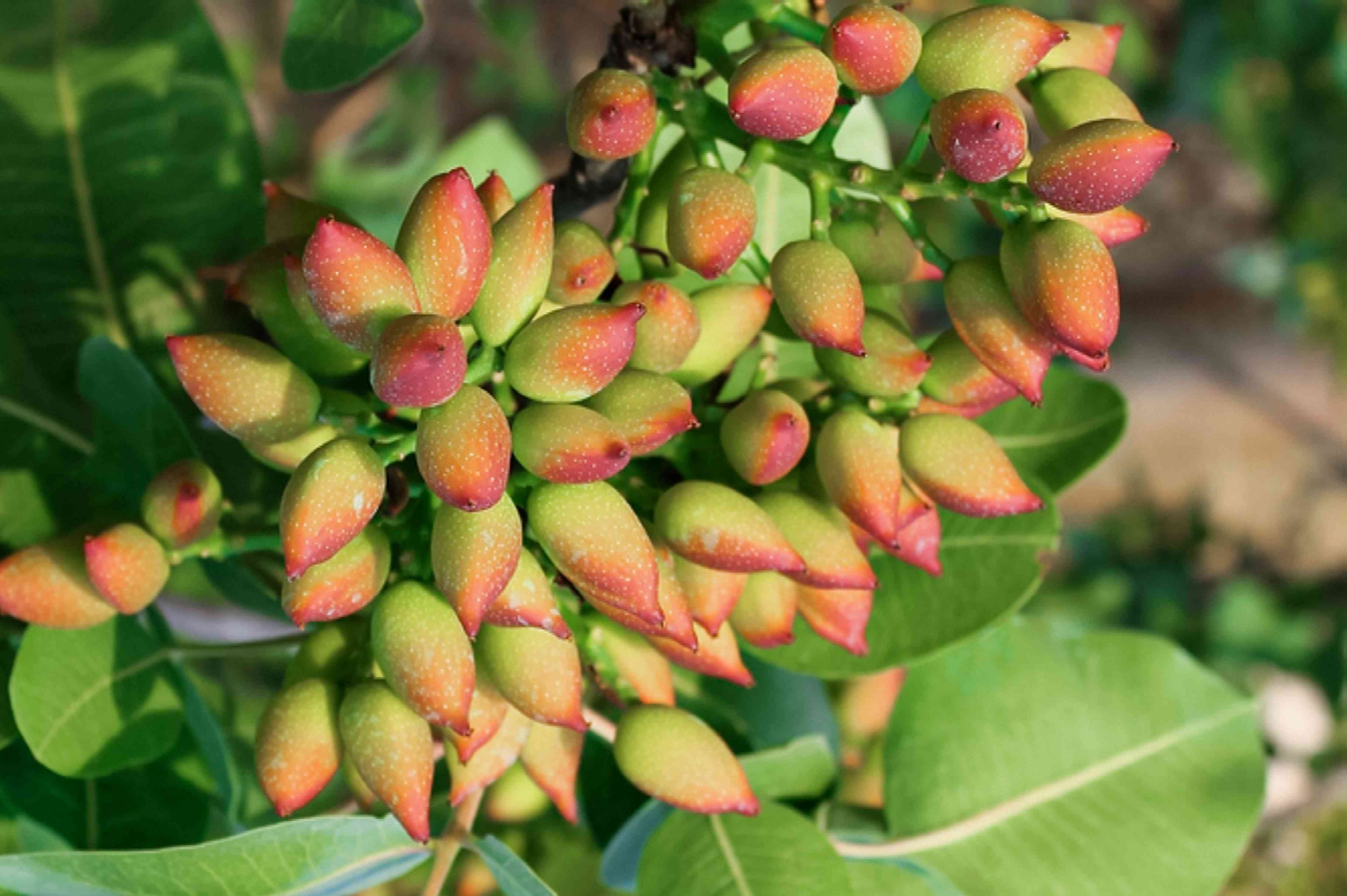
can get. But try to tell me, really, about a pistachio,
or something you have never tasted. Say what
you want, eventually we have
to taste to know.
commentary on The Drowned Book
If anyone asks you
how the perfect satisfaction
of all our sexual wanting
will look, lift your face
and say,
Like this.
When someone mentions the gracefulness
of the nightsky, climb up on the roof
and dance and say,
Like this.
If anyone wants to know what “spirit” is,
or what “God’s fragrance” means,
lean your head toward him or her.
Keep your face there close.
Like this.
When someone quotes the old poetic image
about clouds gradually uncovering the moon,
slowly loosen knot by knot the strings
of your robe.
Like this.
If anyone wonders how Jesus raised the dead,
don’t try to explain the miracle.
Kiss me on the lips.
Like this. Like this.
When someone asks what it means
to “die for love,” point
here.
If someone asks how tall I am, frown
and measure with your fingers the space
between the creases on your forehead.
This tall.
The soul sometimes leaves the body, the returns.
When someone doesn’t believe that,
walk back into my house.
Like this.
When lovers moan,
they’re telling our story.
Like this.
I am a sky where spirits live.
Stare into this deepening blue,
while the breeze says a secret.
Like this.
When someone asks what there is to do,
light the candle in his hand.
Like this.
How did Joseph’s scent come to Jacob?
Huuuuu.
How did Jacob’s sight return?
Huuuu.
A little wind cleans the eyes.
Like this.
When Shams comes back from Tabriz,
he’ll put just his head around the edge
of the door to surprise us.
Like this.
And did
you feel it, in your heart,
how it pertained to everything?
And have you too finally figured out
what beauty is for? And have
you changed your
life?
September 10, 1935 – January 17, 2019
they see the divine in all forms
Man’s attitude is the secret of life,
for it is upon man’s attitude that success and failure
depend. Both man’s rise and fall depend upon his attitude.
By attitude I mean that impulse which is like
a battery behind the mechanism
of thought.
There is hidden in our heart a
wonderful power. It is a divine power,
a sacred power, and it can be developed
and cherished by keeping our
attitude right.
to know the right attitude from the wrong
🪷
Do you find
your spiritual practice
pitiful and wanting? If buddha
were before you, would you
be ashamed, afraid,
shy, small?
Wake up!
The truth too large
for words is that the buddha
is closer to you than that:
you are the buddha
now.
This entire world is
just for you. All the teaching in this
world is only for you. Accept this without
further thought of whether you are good or bad
and be responsible to it. This is the spirit you
must bring to everything that you do.
Be the buddha now.
i ching / hexagram 4 ☯️ mêng / youthful folly
You
can now buy
Wei wu Wei Ching as part of a
five-app bundle of Taoist classics
for iPhone or iPad for less than
the cost of one hardcover
book.
