8 December 1966 – 26 July 2023
Two years ago
on this date, a lion rose to heaven.
This what I wrote then, and sing again
now in eternal celebration.
Someone went to a Sufi
with a question. He said, ‘I have been
puzzling for many, many years and reading books,
and I have not been able to find a definite answer.
Tell me what happens after death?’ The Sufi
replied, ‘Please ask this question of
someone who will die. I am
going to live.’
I came home from running errands two afternoons ago and picked my iPhone up off the counter where I’d left it, face down. As it was turning toward me, I saw among the notifications on the lock screen one from the New York Times that began with the words, “Sinead O’Connor…”. I put the phone straight back because I knew I needed to go talk to the contractor working on my lanai, and I knew that would be hard — and strange — to do through a river of tears. Notifications that begin like that are usually just one kind.
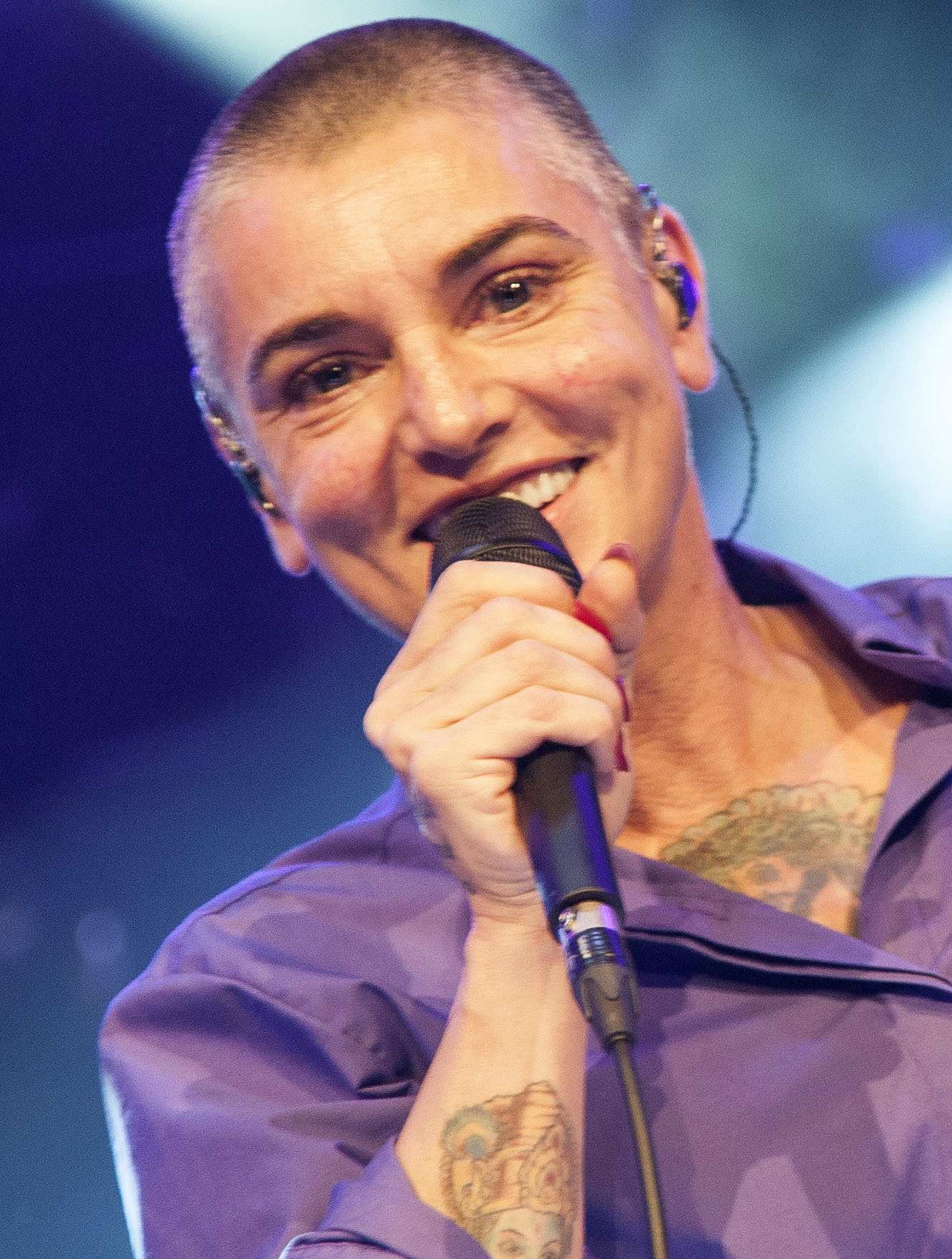
Since her death was announced, I have read tens or hundreds of thousands of words written about this lion of a woman, and mostly I’m struck by the river of quiet condescension which runs through them. “Struggled with her mental health for years”, they all say, often in the headline. They talk about how her career was never the same after she tore up a photo of Pope John Paul II on Saturday Night Live. They jabber a bit about her dance with suicidal ideation and she is dismissed, by nearly every critic’s tone, to some pantheon in their minds of lesser, failed artists.
Sinead O’Connor was abused, sexually and physically and otherwise, in her early childhood by her mom. Not a little, a lot. People who’ve gone through something like that suffer things you and I don’t: borderline personality disorder, dissociative identity disorder, so on. They are colossal fragmentations of the mind and self which arise as a natural response to being savaged by a person of trust in a time of indescribable vulnerability. These have next to nothing to do with our fiercest moods, yours or mine, however full of darkness, struggle, and desperate grasping our troubles may be, however long they might go on.
Many people who’ve endured such things are permanently or regularly crippled by them at a level and in ways we cannot imagine or understand. Sinead O’Connor recorded ten albums, many of them outstanding, endured epic fame, which is no treat, collected Grammys and other awards by the wheelbarrow full, birthed and raised four children with tremendous love, fought off the hands and minds of record executives who imagined her a sexy bunny of a pop star when she understood herself to be a revolutionary and a protest singer, and carried on a lively, funny, occasionally heartbreaking, always substantive and intelligent and meaningful conversation with the world for nearly six decades. It included a very fine memoir, Rememberings (in which she refers to Prince as “Ol’ Fluffy Cuffs”, which gives you some measure of her wit). Her conversation with her creator, every bit as public as the rest of her life, was one of the most profound and wide-ranging I have ever witnessed.
Talking about how John Steinbeck was disrespected by critics after his death, the poet and novelist Jim Harrison said, “The Grapes of Wrath is a monstrously underrated novel, and Steinbeck has been neglected. But that’s okay, because he’s Steinbeck and they’re not. Where’s their Grapes of Wrath? They didn’t even write The Grapes of Goofy.”
Sinead O’Connor was as large as they come. She fenced and cleared the wilderness of her soul and her furiously difficult life, she toiled there with the dedication of an artist of the very first water, and she brought forth sweet grapes like few ever have or will. I trust that she is bringing them forth still, and I bow to this magnificent being for all eternity.