The way is difficult
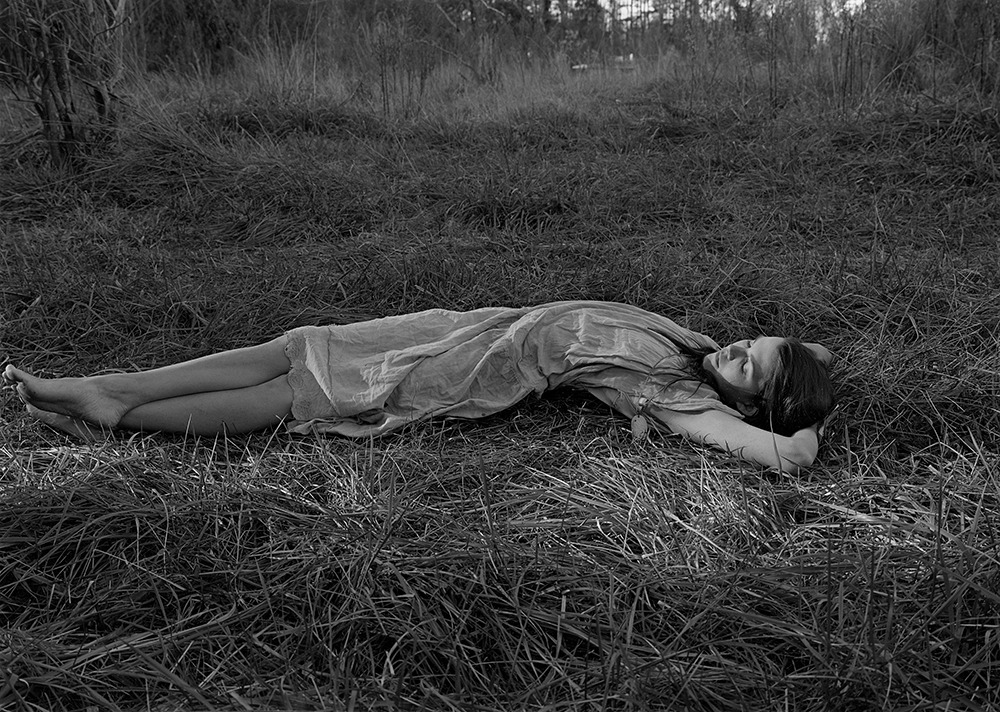
and very intricate. Lalla discarded her
books that told about it, and through meditation
saw the truth that never comes to anyone
from reading words.
The way is difficult
and very intricate. Lalla discarded her
books that told about it, and through meditation
saw the truth that never comes to anyone
from reading words.
Things fundamentally
have no origin and presently have
no extinction; there is no more to speak.
As soon as you speak, this is origination;
and if you don’t speak, this
is extinction.
Having left the Fifth Ancestral Teacher’s place, Hui Neng traveled south for two months, and had reached the Ta Yu Range. He was pursued by the monk Hui Ming, who was originally a general, accompanied by several hundred men, who wanted to seize the robe and bowl (emblematic of succession to the ancestral teachers).
Ming was the first to overtake him. The Sixth Ancestral Teacher threw down the robe and bowl on a rock and said, “This robe signifies faith: how can it be taken by force?” Ming tried to pick up the robe and bowl, but was unable to move them. At that point he said, “I have come for the Dharma, not for the robe.”
The Ancestral Teacher said, “Since you’ve come for the Dharma, you should put to rest all your motivations, and don’t give rise to a single thought, and I will explain for you.” After a silence, he said, “Without thinking of good, and without thinking of evil, at just such a time, which is your original face?”
At these words, Hui Ming was greatly enlightened. He also asked, “Besides the intimate words and meaning that struck home a moment ago, is there any further intimate message?”
The ancestral teacher said, “If it were said to you, it wouldn’t be intimate. If you turn around and reflect, what’s intimate is in you.”
The Ultimate Path is not
one-sided, the Final Truth is not biased.
We must not seize upon the views of just one
of these approaches. We must understand
them as one and make them all
perfect and wondrous.
In essence,
if you are confined to one
of them, they are all wrong; if you
reconcile them, they are all correct.
Forget sentiments and return
to the ocean of
wisdom.
Records of the Teachers and Students of the Lanka
This is a time for
disengagement and retreat.
In stillness you are out
of the reach of
danger.
It is inherent in the design of life that forces of darkness and disruption come into prominence from time to time. This hexagram indicates that this is such a time and advises you to respond by quietly retreating. To struggle or resist in anger now is to add fuel to the fire of negativity which threatens to consume you.
The superior person accepts that there is a natural ebb and flow between the forces of light and dark in the world. Wisdom lies not in resisting these movements but in responding to them appropriately. Just as a plant which sprouts in the dead of winter is doomed, and one which sprouts in spring flourishes, so it is with us. Success and prosperity accrue to those who advance in times of light and retreat in times of darkness. To retreat now is to benefit, in the end, from the changing tides.
Retreat is not the same thing as surrender, capitulation, or abandonment, which are desperate and unsatisfying measures. Neither is it characterized by a hardening into angry or punitive emotions. It is instead an acceptance and a choice: we calmly accept that the energies of the moment are against us, and we wisely choose to withdraw into the safety of stillness. In this dignified and balanced manner we protect ourselves from negative influences and arrive rested in a more beneficial hour.
from The I Ching, or Book of Changes
ebooks & apps of the Tao the Ching, I Ching,
Wei wu Wei Ching, Hua hu Ching, and
Art of War for iPad/Phone, Kindle,
You
can now buy
the I Ching as part of a
five-app bundle of Taoist classics
for iPhone or iPad for less than
the cost of one hardcover
book.