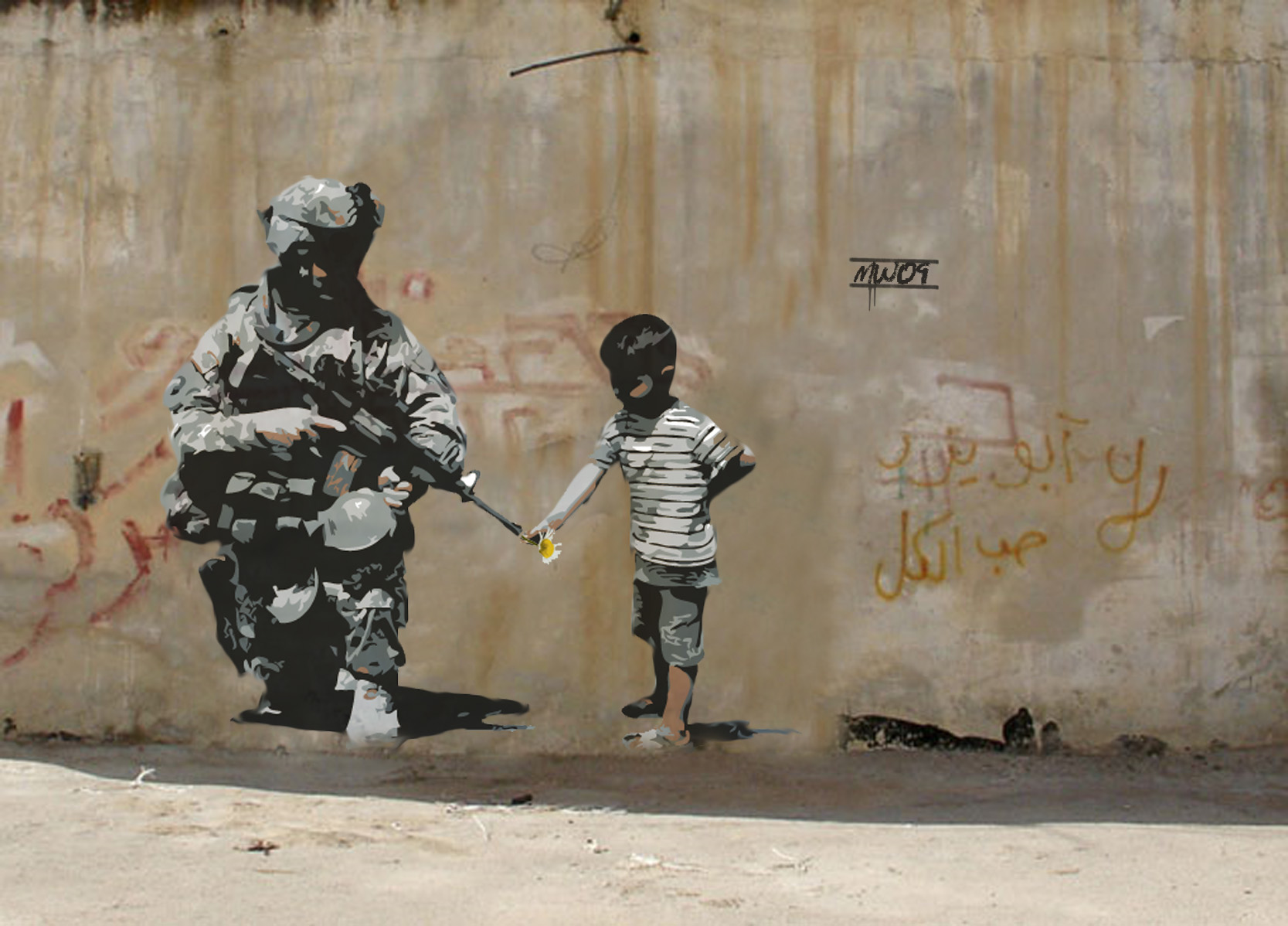
Whenever we allow ourselves to be drawn off balance, away from the strength of quiet integrity, we are in conflict. It matters not whether the confrontation is between competing values in one’s own mind or with another person: it is the inner departure from clarity and equanimity that leaves us with feelings of despair and vulnerability. The only remedy is to disengage from the problem and return to quiet contemplation of what is correct.
Conflict provokes strong feelings of doubt, fear, anxiety, and impatience to resolve the situation. If you act under the influence of these inferior emotions, you will severely complicate the misfortune. By following the prescription of the Sage and returning to a position of neutrality, acceptance, and detachment, you are able to meet opposing forces halfway: not recoiling in anger and condemnation, not pressing forward for some unnatural change in things, but waiting calmly in the center until the Higher Power provides the correct solution.
The I Ching teaches us that all conflict is, in the end, inner conflict. When you see it beginning, you are obliged not to pursue it, for this only compounds your own misfortune. If you cannot regain your equanimity on your own, then seek the assistance of a just and impartial person in resolving the difficulty. The only way to live free of conflict is to hold steadfastly to proper principles in all things. Through balance, patience, and devotion to inner truth we rise above every challenge.
The I Ching, or Book of Changes
Hexagram 6, Sung / Conflict
ebooks & apps of the Tao the Ching, I Ching,
Wei wu Wei Ching, Hua hu Ching, and
Art of War for iPad/Phone, Kindle,
Nook, or Android
You
can now buy
the I Ching as part of a
five-app bundle of Taoist classics
for iPhone or iPad for less than
the cost of one hardcover
book.
dahui zonggao
In times past
there was a monk who asked
an old adept, “The world is so hot, I don’t know
where to escape.” The old adept said, “Escape into a
boiling cauldron, into the coals of a furnace.
The multitude of sufferings cannot
reach there.”
This is my
own prescription for
getting results.
Dahui
i don’t know

charles burns
Yantou said,
“Abandoning things is
superior, pursuing things is inferior.”
The Ultimate Path is simple and easy —
it is just a matter of whether
you abandon things or
pursue them.
Yuanwu
zen letters
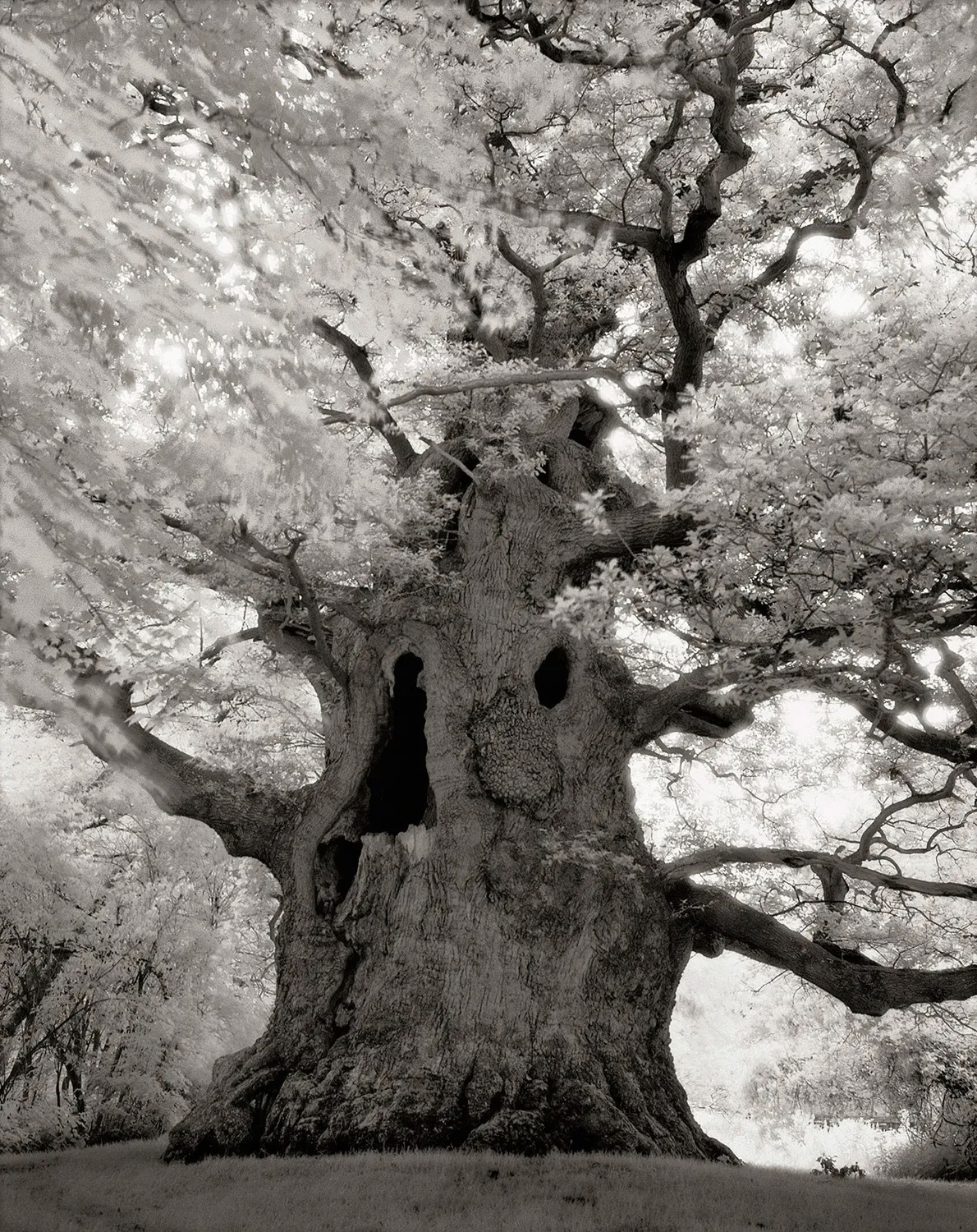
beth moon
Stabilization is the final stage of escape from the profane, the foundation of attaining the Way, the accomplishment of cultivated stillness, the consummation of maintaining calm.
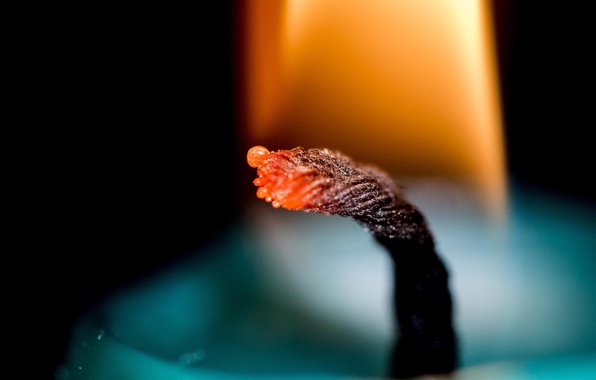
When the body is like a withered tree, the mind like dead ashes, without reactivity, without seeking anything, this is the epitome of tranquility. There is no mindfulness of stabilization, yet there is stability. Thus it is called tranquil stabilization.
Chuang-tzu said, “One whose capacity is tranquilly stabilized radiates natural light.” Capacity refers to the mind, natural light is active insight. The mind is a capacitor of the Way; when it is as uncluttered and quiet as can be, then the Way stays there and insight emerges.
Insight comes from original nature; one does not just come to have it now. That is why it is called natural light. It is just because of the muddling confusion caused by craving that it comes to be obscure. Clean it, make it flexible, rectify it, and restore it to purity and calm, and the original real conscious spirit will gradually become clear of itself; this does not mean that you are just now producing that insight.
Once insight has emerged, treasure it and do not compromise stability by too many concerns.
Treatise on Sitting Forgetting
translated by Thomas Cleary