
eventually we have to taste to know

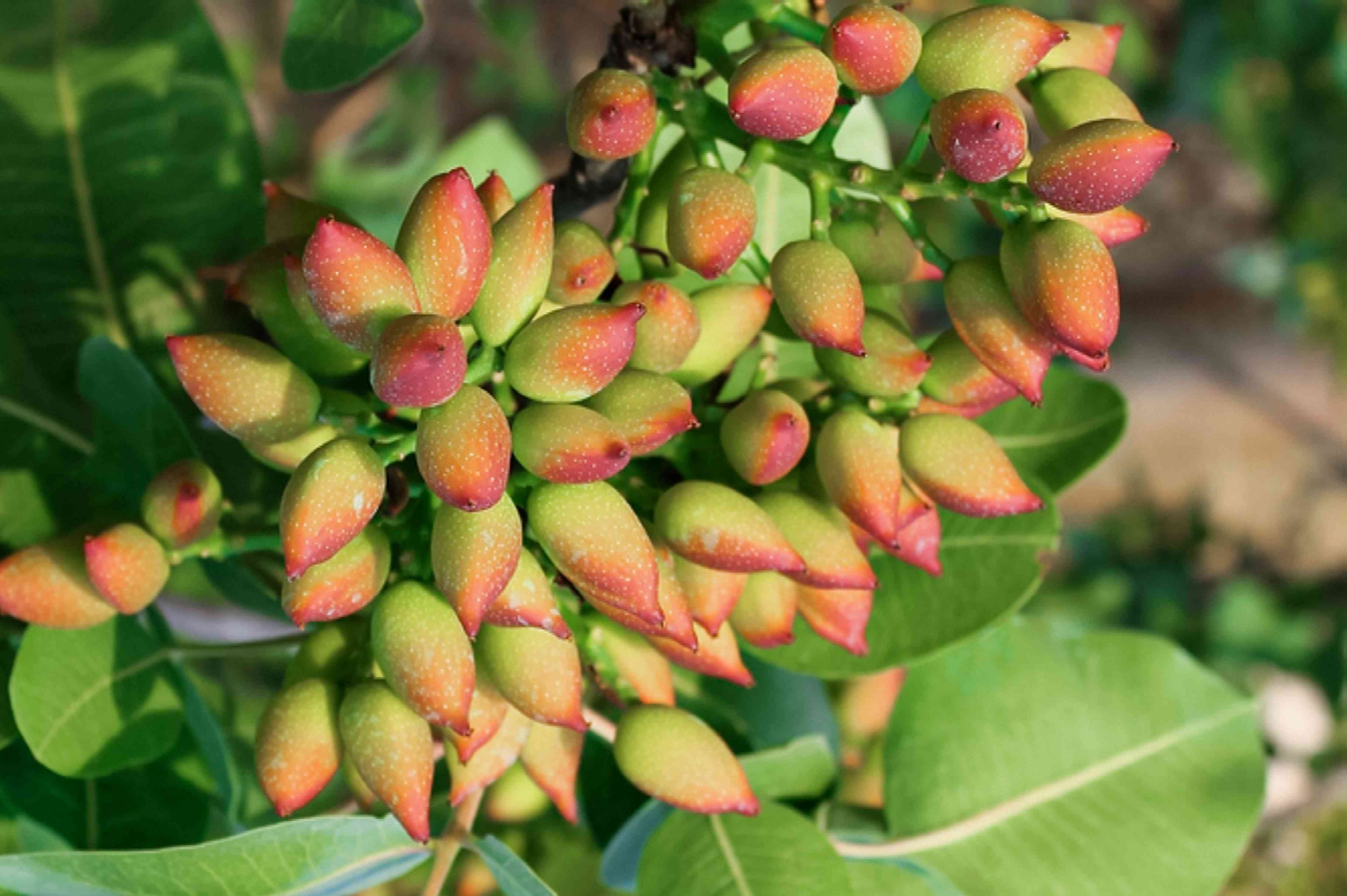
grow a pistachio tree


Bahauddin’s notebook,

and Rumi’s poetry, are reminders of experience,

larger and deeper ways we readers and listeners might live.

The words describe a taste of grandeur and love, and as they keep

telling us, you cannot do that: it’s impossible to describe such

wonders. The great winetasters may come as close as one

can get. But try to tell me, really, about a pistachio,

or something you have never tasted. Say what

you want, eventually we have

to taste to know.


Coleman Barks

commentary on The Drowned Book


the sage has no set mind

melt and let go and rest


The sage has no set mind.

She adopts the concerns

of others as her own.


She is good to the good.

She is also good to the bad.

This is real goodness.


She trusts the trustworthy.

She also trusts the untrustworthy.

This is real trust.


The sage takes the minds

of the worldly and spins them around.

People drop their ideas and agendas,

and she guides them like

beloved children.


The Tao te Ching of Lao Tzu,

Chapter 49


ebooks & apps of the Tao the Ching, I Ching,

Hua hu Ching, and Art of War for

iPad, Phone, Kindle, Nook,

or Android


☯️


You

can now buy

Tao te Ching as part of a

five-app bundle of Taoist classics 

for iPhone or iPad for less than

the cost of one hardcover

book.

brian browne walker taoist app bundle ios ipad iphone


hold to the good at every turn

adrienne kammerer


Don’t rely on

others to direct your

conduct. Be determined in

holding to the good

at every turn.


third changing line

from The I Ching, or Book of Changes

Hexagram 16, Yü / Enthusiasm


☯️


Keep yourself simple,

good, guileless, dignified, unpretentious,

devoted to justice, pious, kind, affectionate to others,

and resolute in carrying out your proper tasks. Strive to be and

remain the kind of person philosophy would have you be.

Revere the gods and keep men safe. Life is short.

There’s only one crop to be reaped from your

time on earth, and that is a reverential

disposition and socially

useful actions.


Marcus Aurelius

the annotated marcus


contact with good and bad

the most authentic master I ever encountered

 
Something in prolonged contact with rouge eventually becomes red, something in prolonged contact with soot eventually becomes black. What I realize as I observe this is the tao of habituation to good and bad.
 
When you live with good people, what you always hear are good words and what you always see are good actions. Hearing and seeing good words and actions over a long period of time plants good seeds in your mind, so that you spontanteously become accustomed to goodness.
 
When you live with bad people, what you always hear are bad words and what you always see are bad actions. Hearing and seeing bad words and bad actions over a long period of time plants bad seeds in your mind, so that you naturally become accustomed to badness.
 
Good and bad people are said to be so by nature, but most become so through habit. Therefore wise people choose their associates carefully.
 

Liu I-Ming

awakening to the tao

hard copy


a truly good person


A truly

good person doesn’t

dwell on her goodness.

Thus she can be good.

A person of false goodness

never forgets her goodness.

Thus her goodness is

always false.


A truly

good person does nothing,

yet nothing remains undone.

A person of false goodness is forever

doing, yet everything remains

forever undone.


Those who

are interested in service

act without motive. Those who are

interested in righteousness act with

motives of all sorts. Those who are

interested in propriety act, and

receiving no response, they

roll up their sleeves

and use force.


When

Tao is lost,

goodness appears.

When goodness is lost,

philanthropy appears.

When philanthropy is lost,

justice appears.

When justice is lost,

only etiquette

is left.


Etiquette

is the faintest husk

of real loyalty and faith,

and it is the beginning of confusion.

Knowledge of the future is only

a blossom of Tao; to become

preoccupied with it

is folly.


Thus the

sage sets her sights

on the substance and not the

surface, on the fruit and not the

flower. Leaving the one,

she gains the

other.


from The Tao te Ching of Lao Tzu,

Chapter 38


ebooks & apps of the Tao the Ching, I Ching,

Hua hu Ching, and Art of War for

iPad, Phone, Kindle, Nook,

or Android


You

can now buy

Tao te Ching as part of a

five-app bundle of Taoist classics 

for iPhone or iPad for less than

the cost of one hardcover

book.
brian browne walker taoist app bundle ios ipad iphone