
when times of great difficulty visit
The Ultimate Way
is without difficulty; just
avoid picking and
choosing.
when times of great difficulty visit
The Ultimate Way
is without difficulty; just
avoid picking and
choosing.

When you stop your
compulsive mind, to reach the point
where not a single thing is born, you pass
through to freedom, no longer falling
into feelings and not dwelling
on concepts, transcending
all completely.
Then Zen is obvious everywhere
in the world, with the totality of everything everywhere
turning into its great function. Everything comes from your
own heart. This is what one ancient called bringing
out the family treasure.
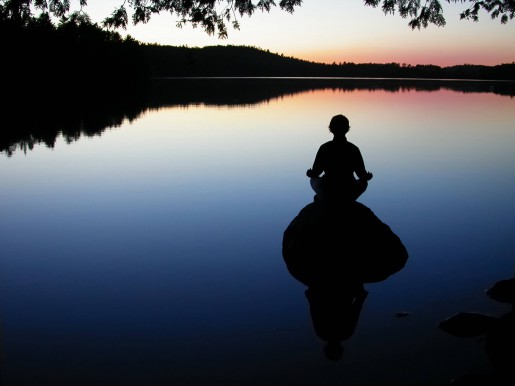
The practice of true reality is simply to sit serenely in silent introspection. When you have fathomed this you cannot be turned around by external causes and conditions. This empty, wide open mind is subtlety and correctly illuminating. Spacious and content, without confusion from inner thoughts or grasping, effectively overcome habitual behavior and realize the self that is not possessed by emotions.
You must be broad-minded, whole without relying on others. Such upright independent spirit can begin not to pursue degrading situations. Here you can rest and become clean, pure, and lucid. Bright and penetrating, you can immediately return, accord, and respond to deal with events.
Everything is unhindered; clouds gracefully floating up to the peaks, the moonlight glitteringly flowing down mountain streams. The entire place is brightly illumined and spiritually transformed, totally unobstructed and clearly manifesting responsive interaction like box and lid or arrow points meeting.
Continuing, cultivate and nourish yourself to enact maturity and achieve stability. If you accord everywhere with thorough clarity and cut off sharp corners without dependence on doctrines, like the white bull or wildcat helping to arouse wonder, you can be called a complete person.
So we hear that this is how one of the way of non-mind acts, but before realizing non-mind we still have great hardship.

Every time we smile,
all the generations of our ancestors,
our children, and the generations to come —
all of whom are within us — smile too. We practice
not just for ourselves, but for everyone,
and the stream of life
continues.
and Rumi’s poetry, are reminders of experience,
larger and deeper ways we readers and listeners might live.
The words describe a taste of grandeur and love, and as they keep
telling us, you cannot do that: it’s impossible to describe such
wonders. The great winetasters may come as close as one
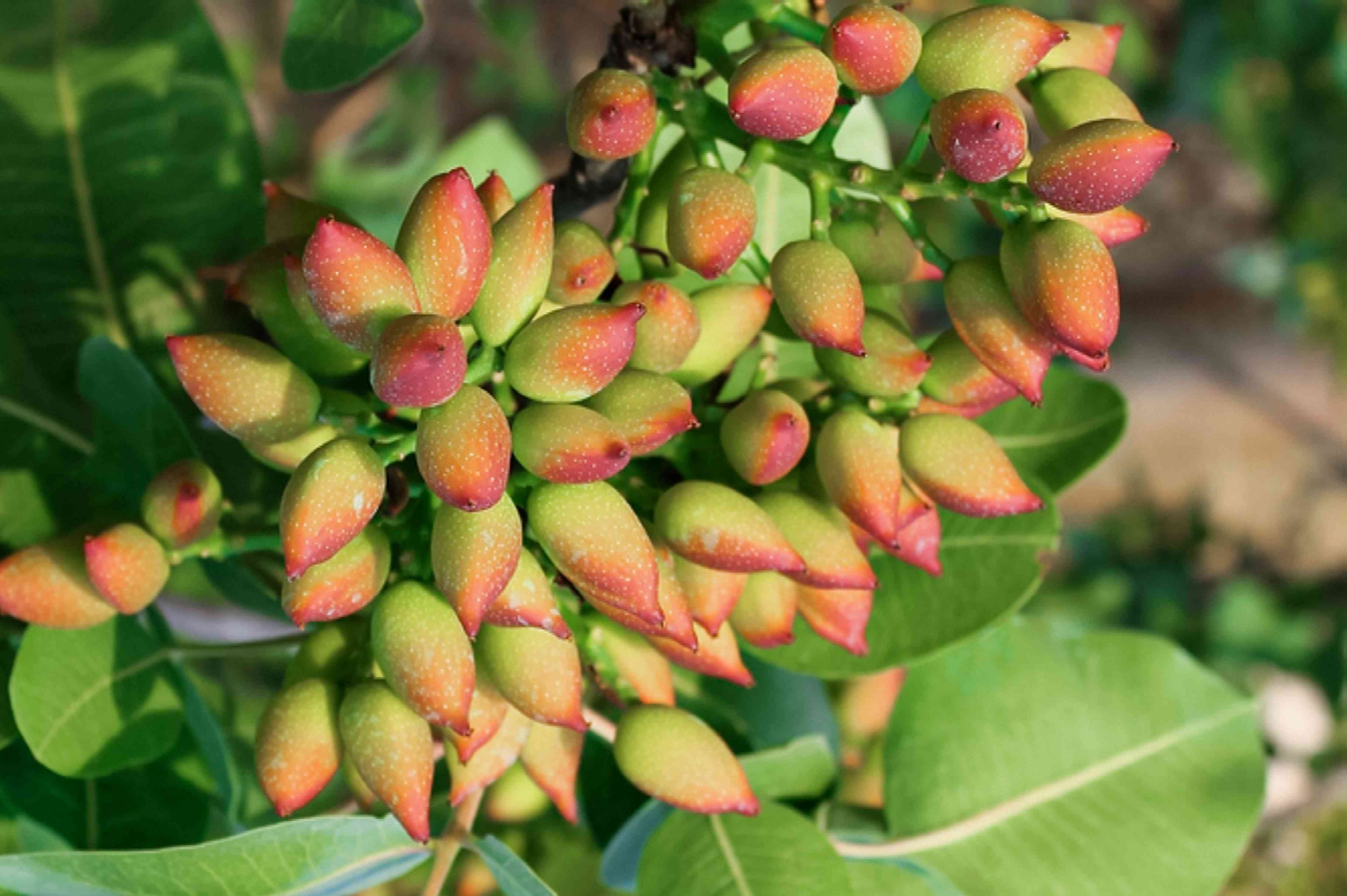
can get. But try to tell me, really, about a pistachio,
or something you have never tasted. Say what
you want, eventually we have
to taste to know.
commentary on The Drowned Book