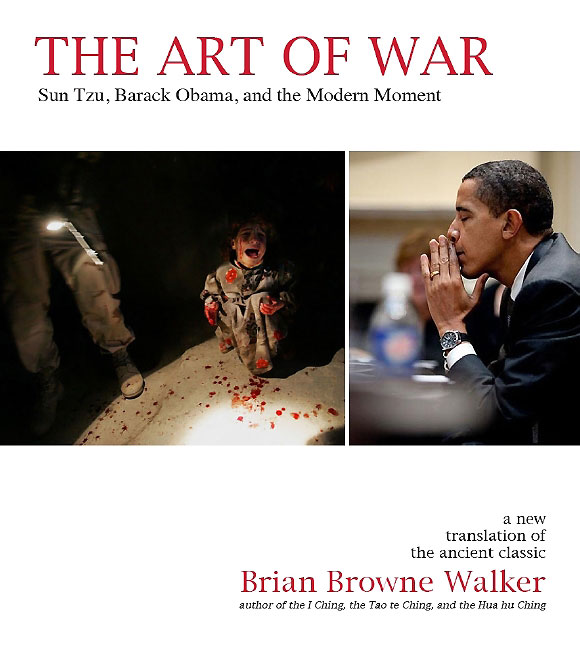
Brian Browne Walker’s beloved translations of the I Ching, Tao te Ching, and Hua hu Ching are published by Harper and St. Martin’s Press and translated into over a dozen languages around the world. This new rendition of “The Art of War” brings his clear voice to the world’s most time-honored teachings on leadership, strategy, and conflict. The book includes a provocative and powerful commentary on Barack Obama and our time that reminds America and the world of our most pressing moral responsibilities, touches on the perils of modern demagogues, and looks forward with a sense of both gravity and light.
The purpose
of war is not the glory
of campaigning, but victory.
Soldiers long from home lose heart.
Weapons long at war lose their edge.
Laying siege to cities exhausts both, and more:
at home, a nation’s heart is exhausted by the
conscription of its sons and daughters,
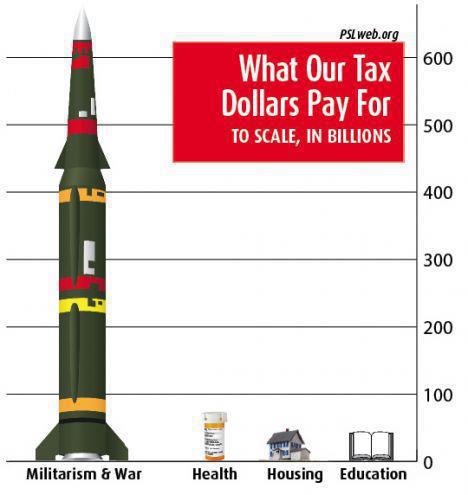
the pockets of the people are emptied
by the levying of taxes, and the
resources of the land are
depleted by sending
them elsewhere
for fighting.
A nation
drained like this
is weak at home and weak
in the field, and risks becoming
easy prey for ambitious chieftains.
The wise leader knows that even an army
staked and nourished at home drives prices up
and impoverishes the people. Greater still is
the scarcity born of waging long wars
at great distances. No nation
has ever benefitted
from it.
Therefore,
no good leader
repeatedly raids the families
of his citizens for soldiers, nor their
purses for the gold to
buy weapons, nor
their peace to
make war.
from The Art of War, Chapter II
ebooks & apps of the Tao the Ching, I Ching,
Hua hu Ching, and Art of War for
You
can now buy
The Art of War as part of a
five-app bundle of Taoist classics
for iPhone or iPad for less than
the cost of one hardcover
book.

Pingback: The Art of War: Sun Tzu, Barack Obama, and the Modern Moment « Brian Browne Walker
Pingback: The true test of a society and its leaders « Brian Browne Walker
Pingback: Ambush in the night: All the truth in Barack Obama adds up to one big lie « Brian Browne Walker
Pingback: Full text of “The Art of War: Sun Tzu, Barack Obama, and the Modern Moment” « Brian Browne Walker
Pingback: Why am I beefing with the President of the United States? « Brian Browne Walker
Pingback: I love you, Jeff Bezos, and thanks for that « Brian Browne Walker
Pingback: The blood on Samar Hassan; who’s next, Barack? « Brian Browne Walker
Pingback: Blackwater founder Erik Prince is a colossal torquewad « Brian Browne Walker
Pingback: The forbidden pervy-pantied manlove karaoke duets of Farmers Insurance CEO Bob Woudstra and his dark German overlord Manfred Gentz « Brian Browne Walker
Pingback: Killing for peace, mindfucking for sanity « Brian Browne Walker
Pingback: Following that, American intelligence is evidently male « Brian Browne Walker
Pingback: All the truth in Barack Obama adds up to one big lie (redux) « Brian Browne Walker
Pingback: The genius of American foreign policy, condensed « Brian Browne Walker
Pingback: Days since I began a hunger strike to protest billionaire Pam Omidyar’s refusal to save the whales (for pennies) « Brian Browne Walker
Pingback: Brian Browne Walker
Pingback: “I now all but disregard what Obama says, and watch only what he does” « Brian Browne Walker
Pingback: “The U.S. Government is able to persuade the populace to continue to support and pay for blood-spilling and liberty-destroying policies in the name of Terrorism when nothing sustains and exacerbates the threat of Terrorism more than those very polic
Pingback: The Gravity of War « Brian Browne Walker
Pingback: Bumbling in Bananastan « Brian Browne Walker
Pingback: The Art of War, the cost of war « Brian Browne Walker
Pingback: from The Art of War, Chapter IV | Brian Browne Walker
Pingback: the art of war, chapter five | Brian Browne Walker
Pingback: from Sun Tzu's "The Art of War", Chapter V | Brian Browne Walker
Pingback: from Sun Tzu's Art of War, Chapter 1, "Assessing Things" | Brian Browne Walker
Pingback: from Sun Tzu's The Art of War, Chapter IV | Brian Browne Walker
Pingback: from Sun Tzu's The Art of War, Chapter III | Brian Browne Walker
Pingback: from Sun Tzu's Art of War, Chapter V | Brian Browne Walker
Pingback: from The Art of War, Chapter VI | Brian Browne Walker
Pingback: THE LOVE & FREEDOM PROJECT | The Heroism of whistleblower John Kiriakou
Pingback: from The Art of War, Chapter VI: Flow Like Water | Brian Browne Walker
Pingback: from The Art of War, Chapter IV: Patiently Waiting for an Opening | Brian Browne Walker
Pingback: from The Art of War, Chapter II: "a nation drained by war is weak at home" | BRIAN BROWNE WALKER
Pingback: he who knows the opponent & himself need not fear | BRIAN BROWNE WALKER
Pingback: on and on and on it goes | BRIAN BROWNE WALKER
Pingback: keep the people safe | BRIAN BROWNE WALKER
Pingback: a kingdom destroyed can never be restored | BRIAN BROWNE WALKER
Pingback: when the general is weak, the nation is weak | BRIAN BROWNE WALKER
Pingback: he who knows himself need not fear in a hundred battles | BRIAN BROWNE WALKER
Pingback: fighting when a crossroads is at stake | BRIAN BROWNE WALKER
Pingback: invincibility is our responsibility | BRIAN BROWNE WALKER